
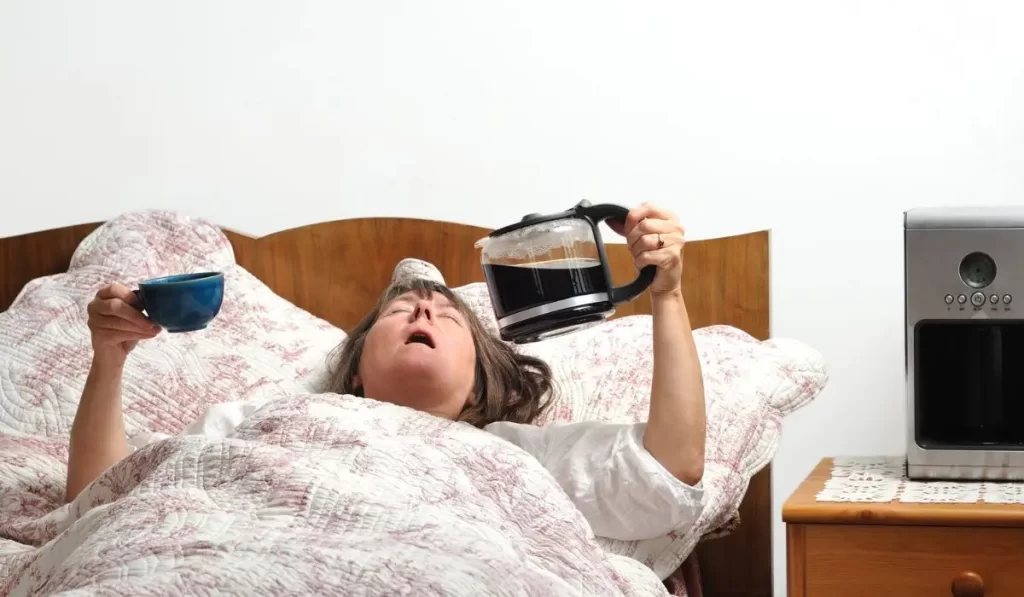
Have you ever said to yourself, “I’m fine,”—but deep down, something feels off?
Maybe your body feels constantly tense, your mind is racing, or you’re just… tired of being tired. You’re doing your best to keep going, but it still feels like you’re stuck in a fog or walking through quicksand.
If this sounds familiar, these may be signs your nervous system is in survival mode — and you may not even realize it.
What Is Survival Mode?
The Body’s Stress Response
Survival mode is the state your nervous system enters when it senses a threat — real or perceived.
It’s part of your body’s natural stress response, designed to help you react quickly to danger. Your heart rate rises, muscles tense, and your brain becomes hyperfocused on staying safe.
How Survival Mode Gets Stuck
This response is helpful in short bursts. However, when it stays turned on for too long — because of chronic stress, trauma, or overwhelm — your system can get stuck there. As a result, you begin to live in a state of constant alert… without even realizing it.
7 Signs Your Nervous System Is in Survival Mode
- You’re Always Tired, But Also Wired
You feel exhausted, but when you try to rest, you can’t relax. Your body is caught between wanting to collapse and being unable to shut down. - You Have Trouble Focusing or Making Decisions
Trouble focusing or making decisions becomes common. Even the simplest choices can start to feel overwhelming. - Your Body Feels Tense All the Time
Your shoulders creep up toward your ears. Your jaw stays tight. Your stomach feels unsettled. This constant muscle tension keeps your body in a “ready for danger” state. - You Startle Easily
Loud noises, interruptions, or changes in plans leave you rattled or overly anxious. Because of this heightened alertness, your system is always scanning for the next threat. - You Avoid or Numb Out
Binge-watching, scrolling endlessly, overeating, or staying constantly “busy” are ways the body tries to cope. Often, avoidance signals that your system feels too overwhelmed to slow down. - You Struggle with Sleep
Falling asleep, staying asleep, or waking up already feeling exhausted are all signs of nervous system dysregulation. Over time, this lack of restorative rest can make symptoms worse. - You Feel Emotionally Flat or Disconnected
It might feel like you’re watching life happen from the outside. You might start noticing detachment from your own emotions, your body, or the people around you.
Why This Happens (And Why It’s Not Your Fault)
Many of us have spent years navigating chronic stress — whether from trauma, caregiving, financial pressure, people-pleasing, or just trying to hold everything together. Over time, your nervous system adapts to keep you functioning.
Yet functioning isn’t the same as thriving.
Your body isn’t broken. It’s doing exactly what it learned to do to keep you safe. But now, it needs help remembering how to feel calm, grounded, and safe again.
You Can Teach Your Nervous System Something New
The Good News About Nervous System Healing
The good news? Your nervous system is resilient and re-trainable.
With the right support, you can move out of survival mode and into a state of healing and balance — where your body feels safe, your mind feels clear, and your energy becomes sustainable.
That’s exactly what I help my clients with through holistic energy recovery — gently guiding the body out of chronic stress and back into a state of calm, connection, and restoration.
Related Blog Posts You Might Enjoy
-
Why Am I Still Tired After 8 Hours of Sleep? Here’s What Might Really Be Going On
-
Burnout Fatigue vs. Normal Fatigue: How to Tell the Difference (and What to Do)
Before you go, choose a gentle next step
I’m Jill, an Energy Recovery Specialist for Women
I help women move out of burnout and back into steady, clear energy—without pushing for perfection. If you want a quick spark of clarity, take the Energy Tree Quiz. If you’d rather talk it through, book a Free Energy Recovery Session. Either way, you’re not doing this alone.